We have four kids. At the time of this writing, two are teenagers, and two are toddlers. Before our toddlers were born, our two older kids attended traditional in-person school. Then Covid happened, and suddenly school went remote.
In The Beginning
At the time, both my wife and I worked remotely, so schools going remote and having our kids at home did not greatly disrupt our day-to-day and was quite manageable. However, not every family was so fortunate, and many parents urged the school to resume in-person learning. Eventually, they did.
Vaccines for young kids were not available yet, and my wife and I did not feel comfortable having our kids return to in-person learning, so we opted to stay remote. The school district allowed this for a time, but soon mandated that all kids return to in-person learning. We still were not comfortable sending our kids back while vaccines were unavailable, so we started looking into homeschooling.
We had another reason for considering homeschooling. Before the pandemic, both our kids were testing above their grade level. However, working with the school district to get them to skip grades was an uphill battle. For whatever reason, the school district strongly discouraged students from accelerating or taking courses above their grade and wanted to keep them at the same pace as their peers.
This became frustrating because, despite our kids clearly excelling, they could not move up. Homeschooling gave us the chance to address this and teach our kids at the level they should be.
Homeschool Options
If you are like us and have never had any experience with homeschooling, you might have assumed it exclusively meant one or both parents had to do all the teaching. That was not true. It is definitely an option, but we learned that several other programs in our state offered homeschooling alternatives.
One of these programs was actually offered by the public school district, was completely free, and allowed students to take courses entirely online. At the beginning of the school year, the school district would ship all books, materials, lab equipment, and a laptop to our house for each kid. At the end of the year, they would provide prepaid postage to ship everything back in the same boxes.
During the school year, kids would get an online login, their own student email address, and a portal where all their assignments, quizzes, and exams would be conducted. Teachers were accessible via Zoom, as in any online class, and each student had a dedicated homeroom teacher who checked in separately from their subject teachers. Because the school work was online, our kids could work at their own pace, going through lessons as quickly or slowly as they needed.
If kids had questions or needed clarification, they could email their teachers or request a Zoom call during open office hours. Twice a year, you could schedule to bring your kids to a nearby testing center to take a statewide exam and see how they compare against their peers, ensuring they are on track.
Thriving Online
Unlike in-person school, where everything is structured to fill the day and move at the same pace for every student, taking classes online meant my kids could move at a pace that worked for them. In general, they were able to get more done in a fraction of the time. Rather than finishing by 4pm when regular in-person school ended, my kids could complete all their assignments and exams by 10am or 11am most days, and even work to get ahead. With the remaining free time, they could learn subjects we felt were important but were not covered by the traditional K-12 curriculum.
This solved many of the critical issues we had with traditional in-person schooling, but not all of them. This program was still offered through the school district, which meant the pushback against allowing our kids to skip grades remained an issue despite the added flexibility. Eventually, we decided to leverage this system until our kids reached high school equivalency, then transition to traditional homeschooling, where we would be responsible for their education ourselves rather than going through the school district's remote learning program.
How We Handled Traditional Homeschooling
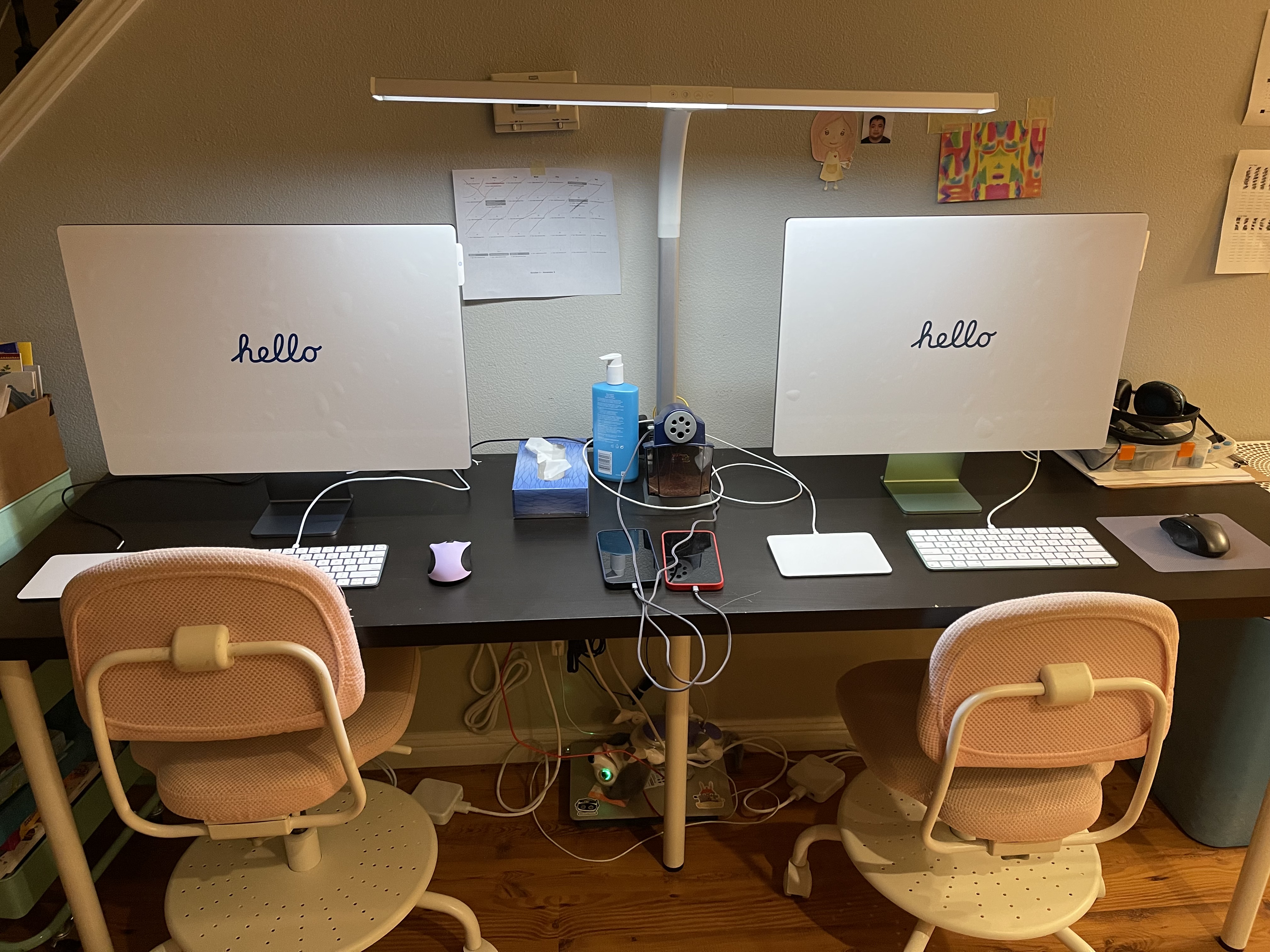
I want to be clear that I am not saying what we did will work for every kid, or that sharing our approach means we are advocating that others should do the same. I am simply sharing what worked for us. At around 12 years old, our oldest was already operating at the high school level, so we began transitioning him to the traditional homeschool setup. We bought both our older kids new iMacs since we had to return the borrowed laptops, now that we were no longer going through the school district's program.
Because we were incredibly busy and could not just carve out time to homeschool our kids ourselves, waiting until they were operating at the high school level was important. At that point, we could transition them to online learning alternatives that would not require us to teach them directly full-time. We would still be available as a resource for anything they needed, but their new online classes meant they would be on a different system.
Each state varies in what is required for high school graduation, which meant we could optimize our kids' schedules to meet state requirements while also having them take college-level courses. This effectively gave them a head start on college while simultaneously completing their high school graduation requirements. They still had free time to learn additional topics not typically covered.
So at 12 years old, our oldest started taking courses that would fulfill both his high school graduation requirements and help him work toward his college major. By the time my son was 14, he had completed enough credits to be close to a sophomore in college, where he would normally be starting as a high school freshman. This meant he would be on track to finish his bachelor's degree, and possibly his master's, by the time he turns 18. We followed the same plan for all our other kids. Keep in mind that most days, our kids finish early and have plenty of free time compared to the traditional school route.
What About Their Social Life
When other parents and friends found out what we were doing, one common concern we heard was, what about their social life. Eventually, vaccines became available, and we felt comfortable enough to offer our kids the option to return to in-person school. Rather than simply dictate they had to continue homeschooling, we wanted to include them in the decision making process. Both opted to remain homeschooled.
This does not mean they could not enroll part-time for the social experience. For example, they could take all their core classes online at home but enroll in electives at their local school, or join sports. Our older daughter wanted to do sports and joined both the basketball team and the volleyball team for a time, while our son decided to take a few elective classes at his local school that he found interesting, such as entrepreneurship and investing, guitar, and dance. This gave them the social aspects while still allowing them to accelerate and get ahead.
Additionally, we live in a neighborhood where other kids live nearby, some of whom have become friends with our kids, so they can always hang out outside of school. We also enrolled our kids in summer camps and other in-person classes outside their traditional in-person school for things they were interested in, so there were never any concerns about a lack of social options. There were also other social groups or meet ups they could participate in.
How It's Going
This gave our kids options and the ability to learn much more than what is traditionally provided, to accelerate while still having lots of flexibility and a social life, and to get a head start. Overall, we are happy with how things have turned out and intend to have our younger kids follow a similar cycle, starting with in-person learning so they can have those social interactions early on.
